https://open.substack.com/pub/semianalysis/p/computation-and-data-movement-for
2026.9.22
[Computation and Data Movement for Inference]
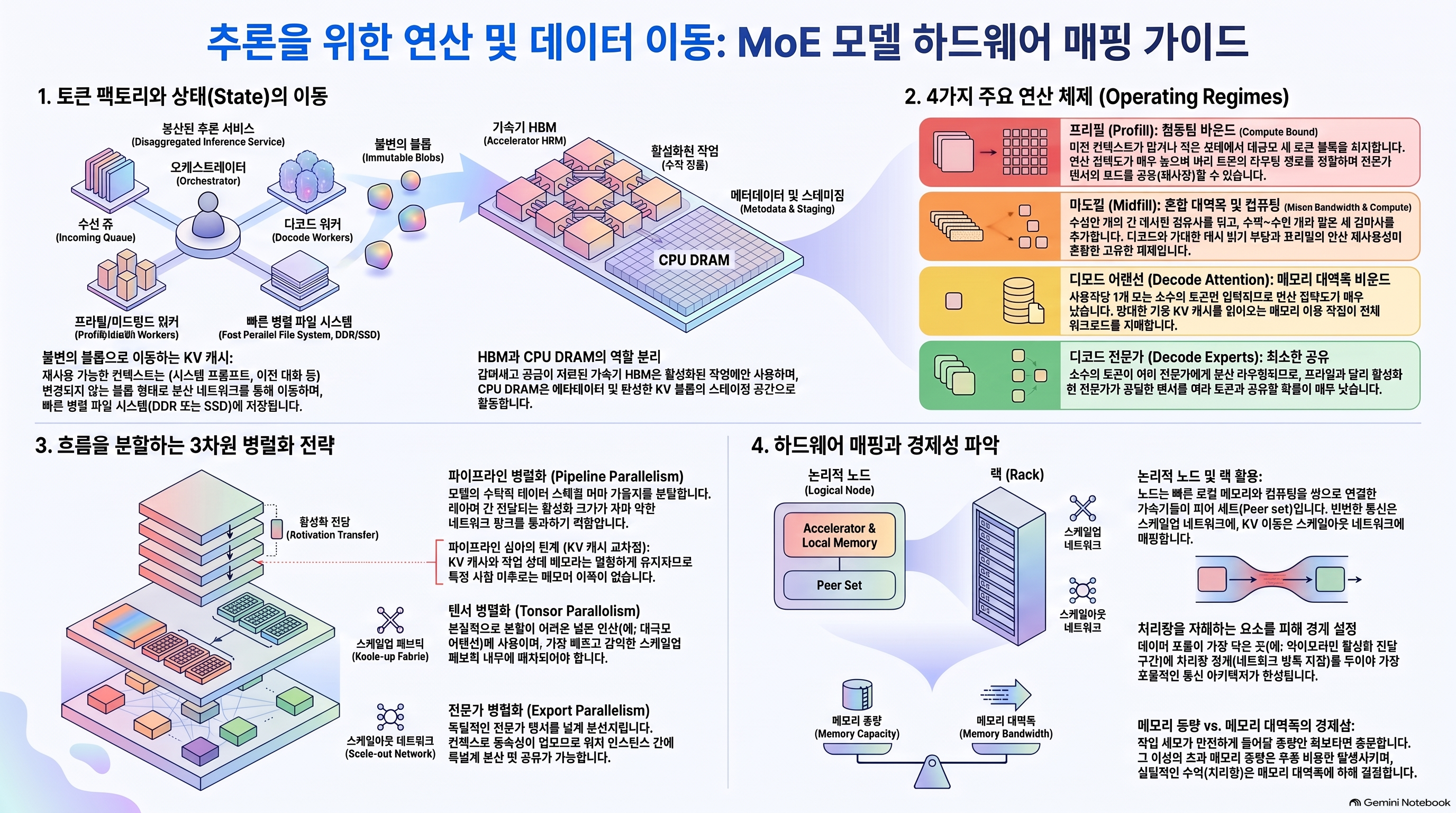
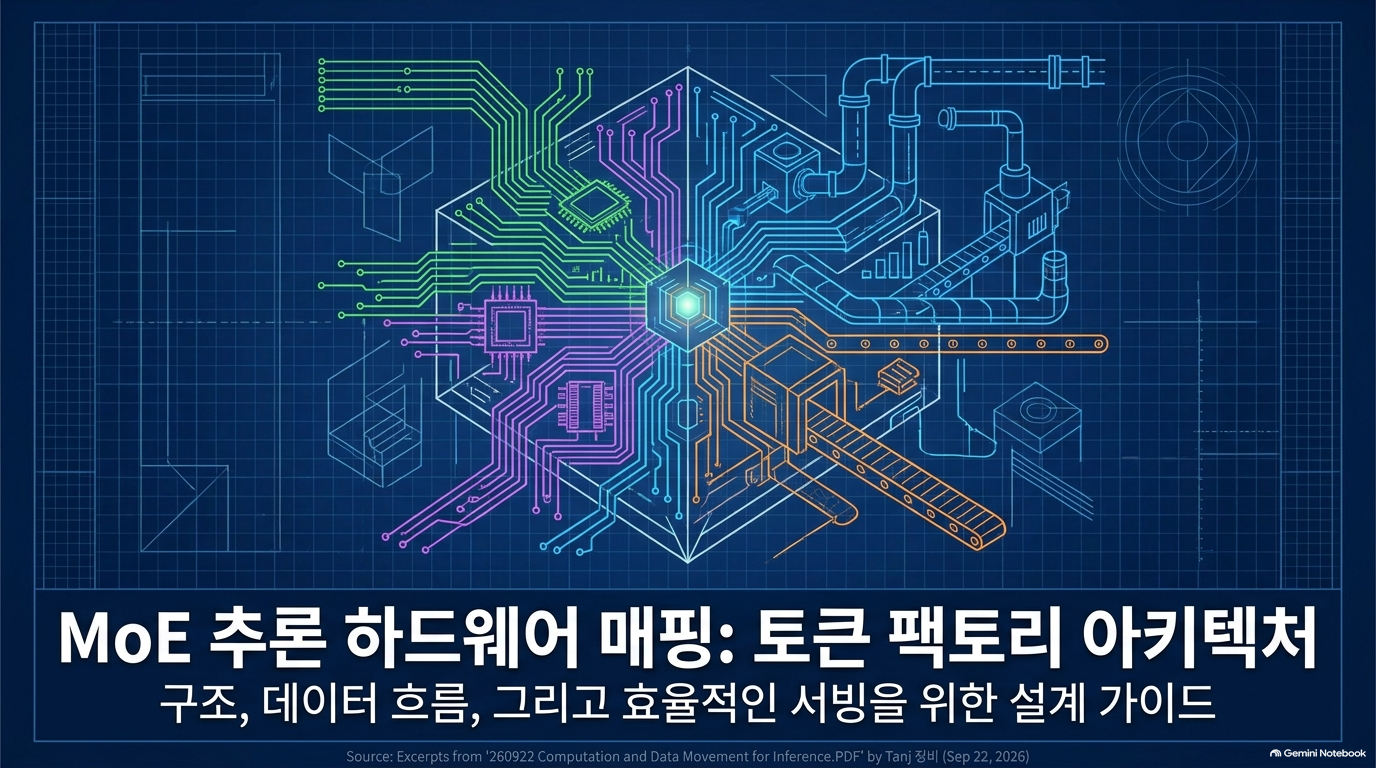
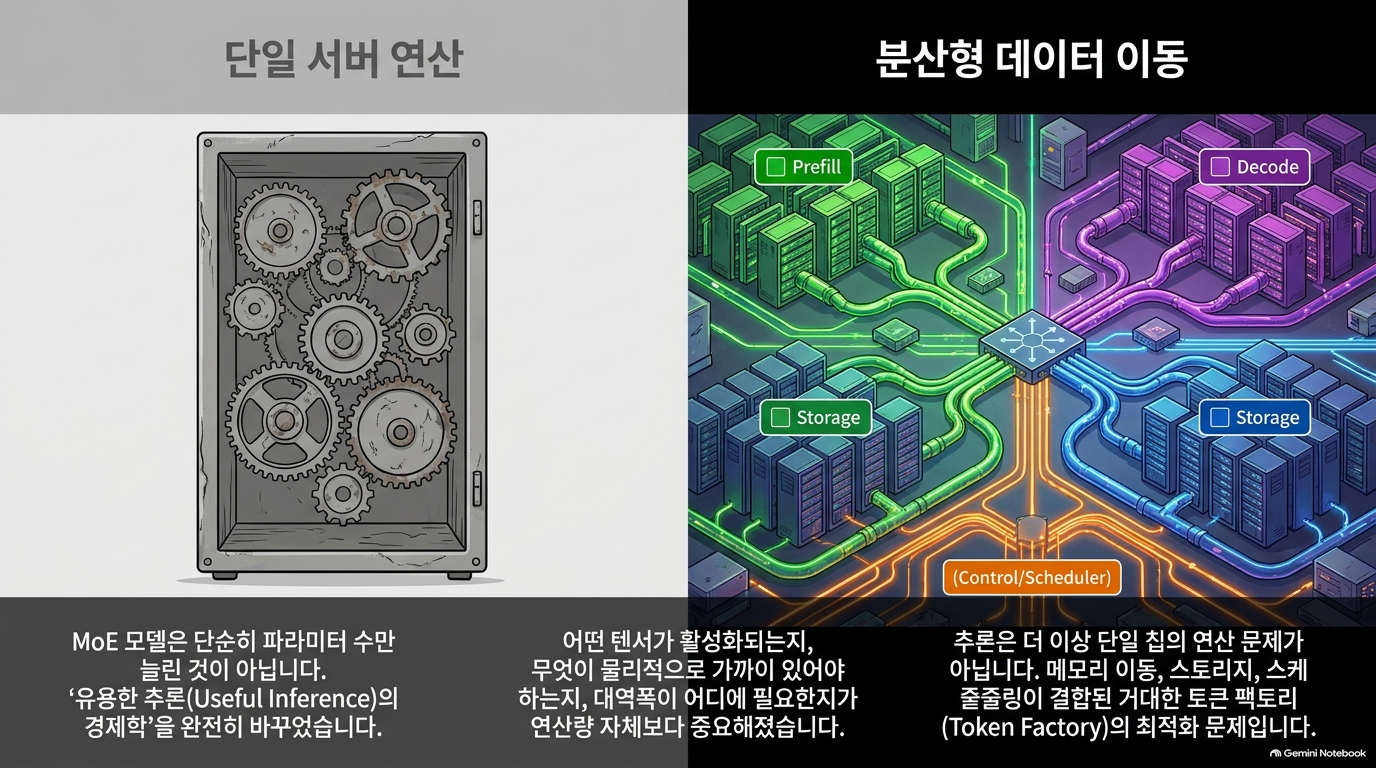
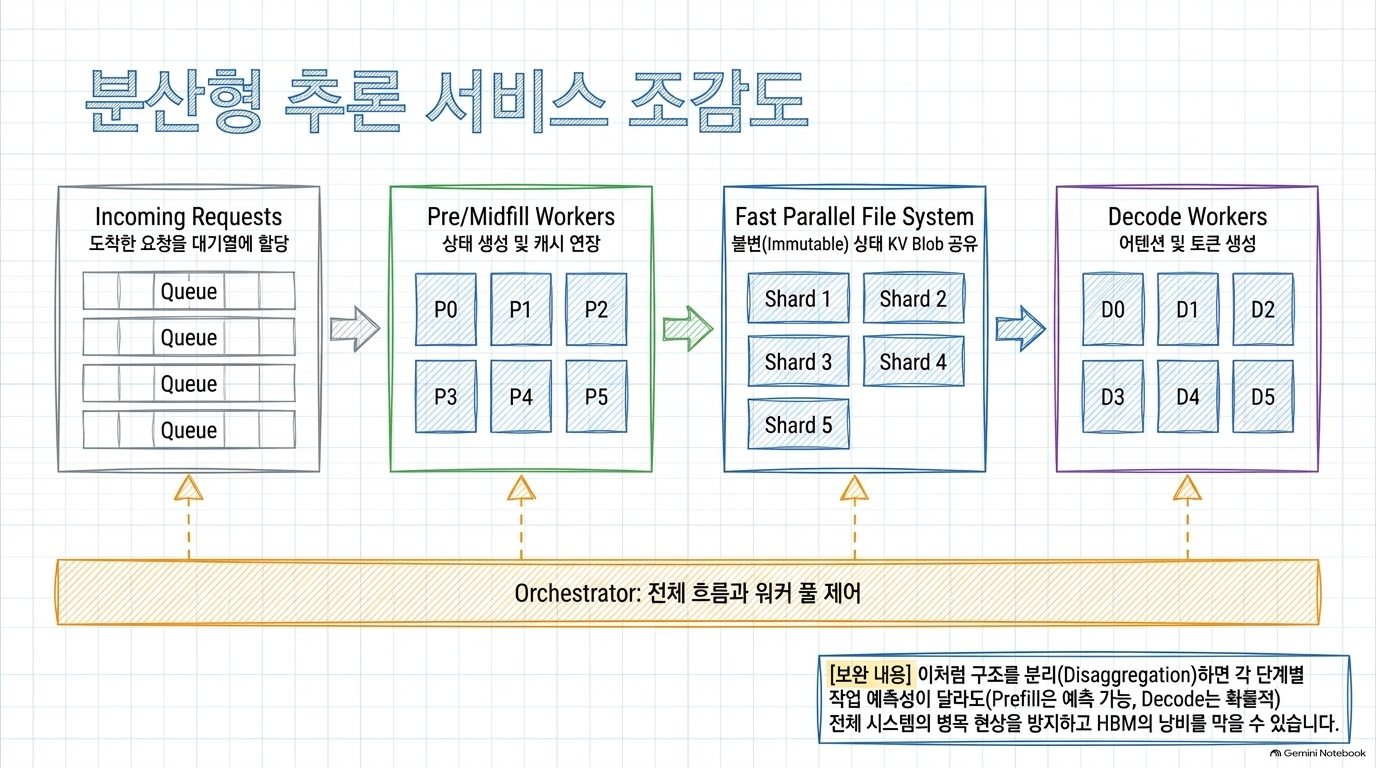
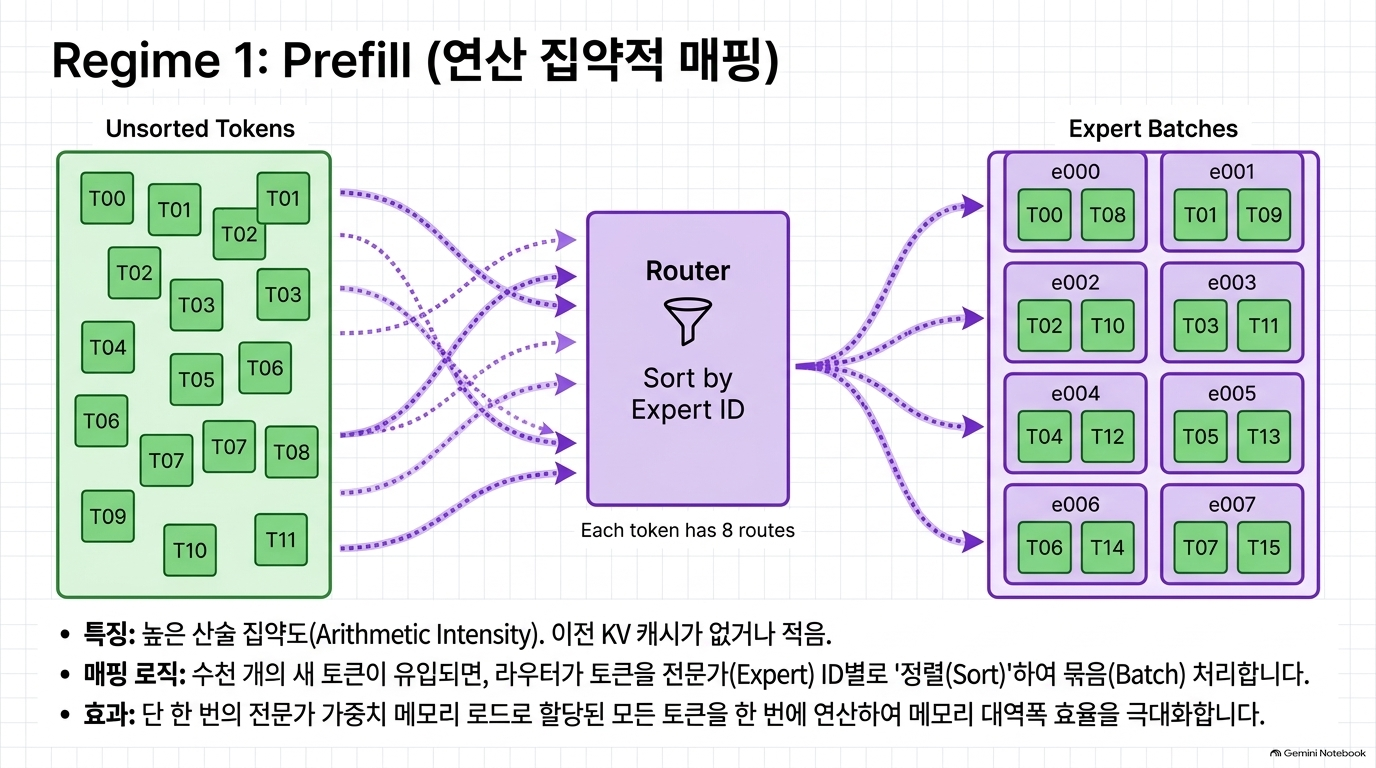
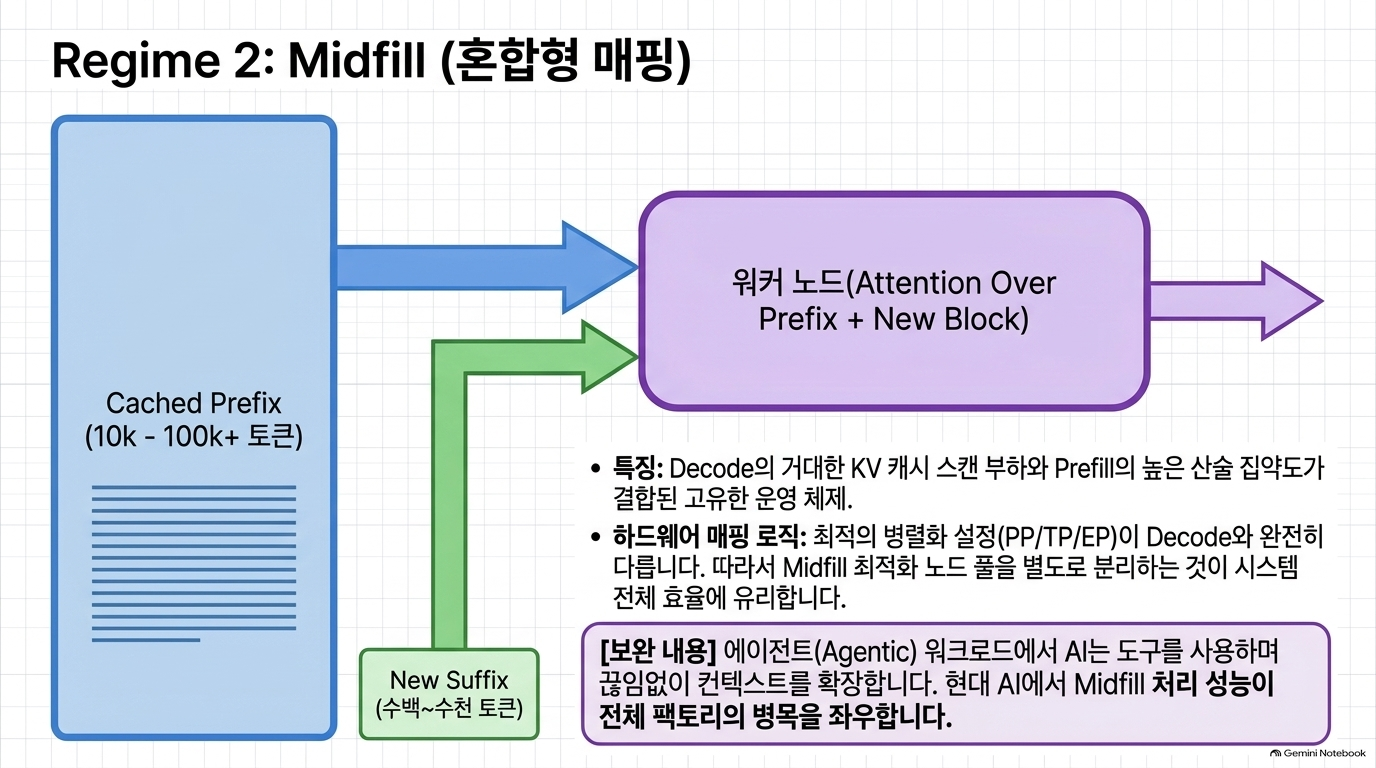
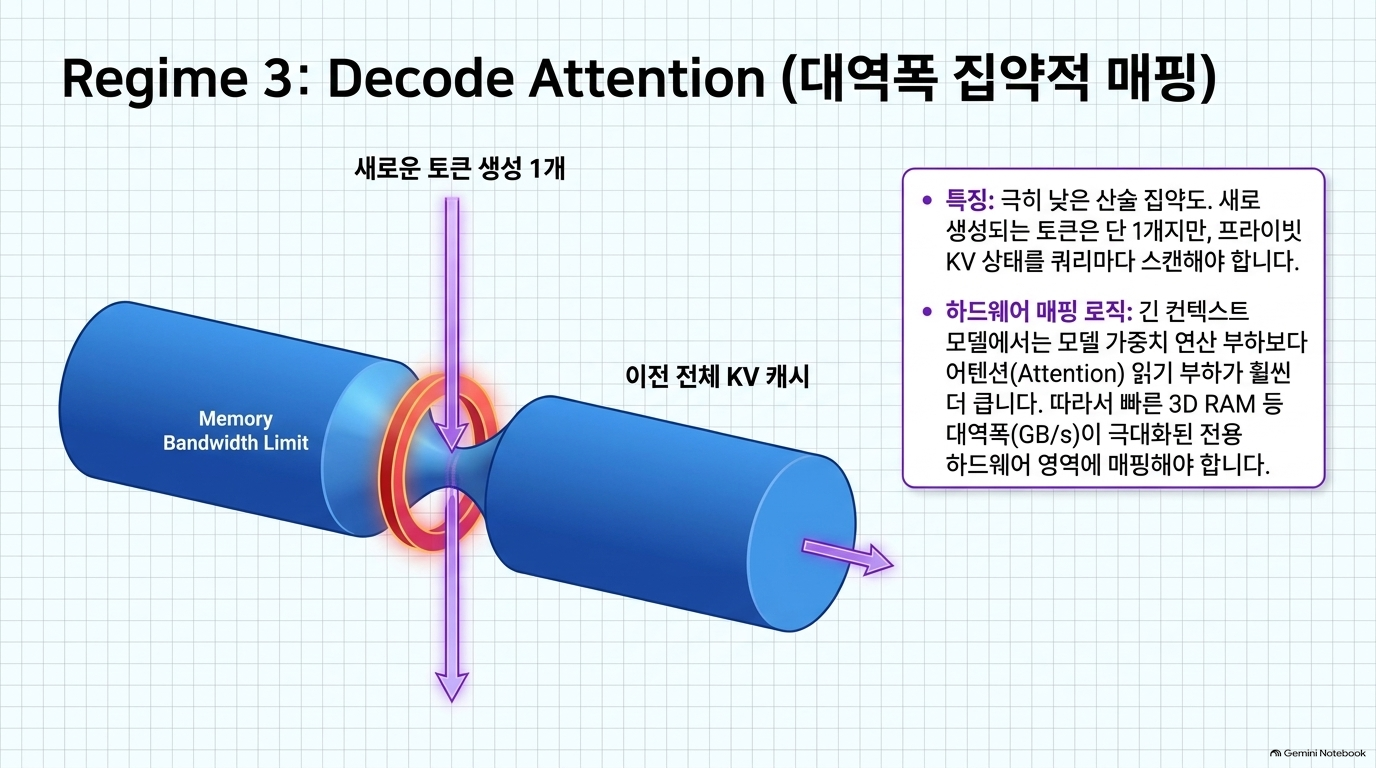
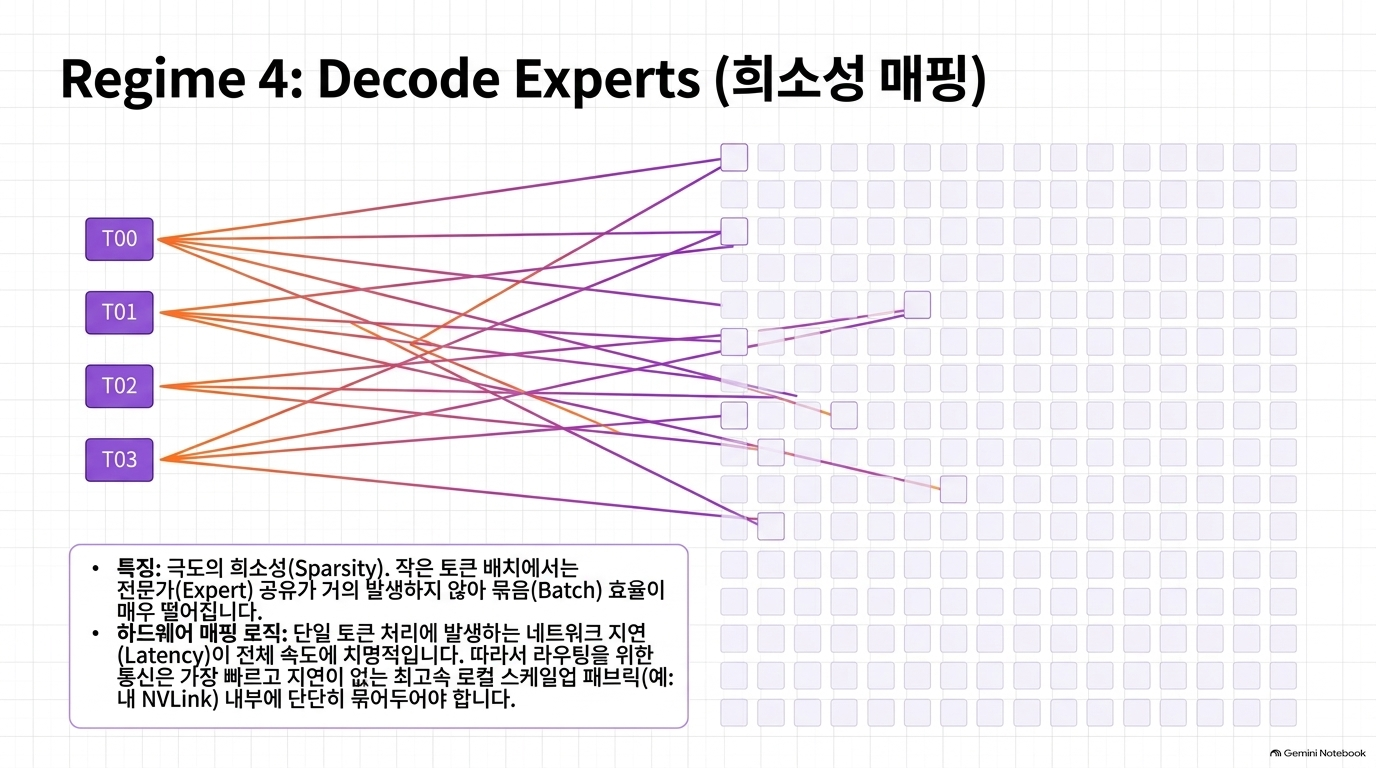
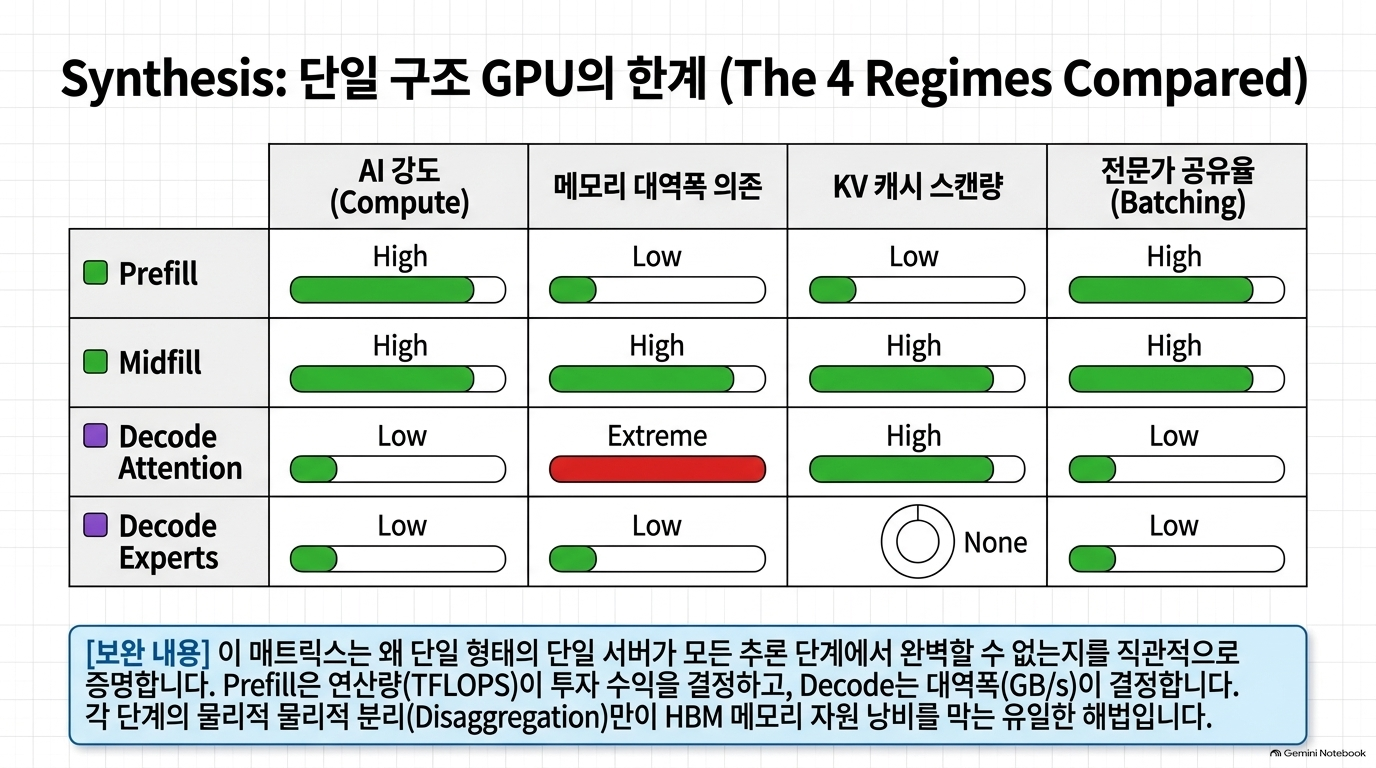
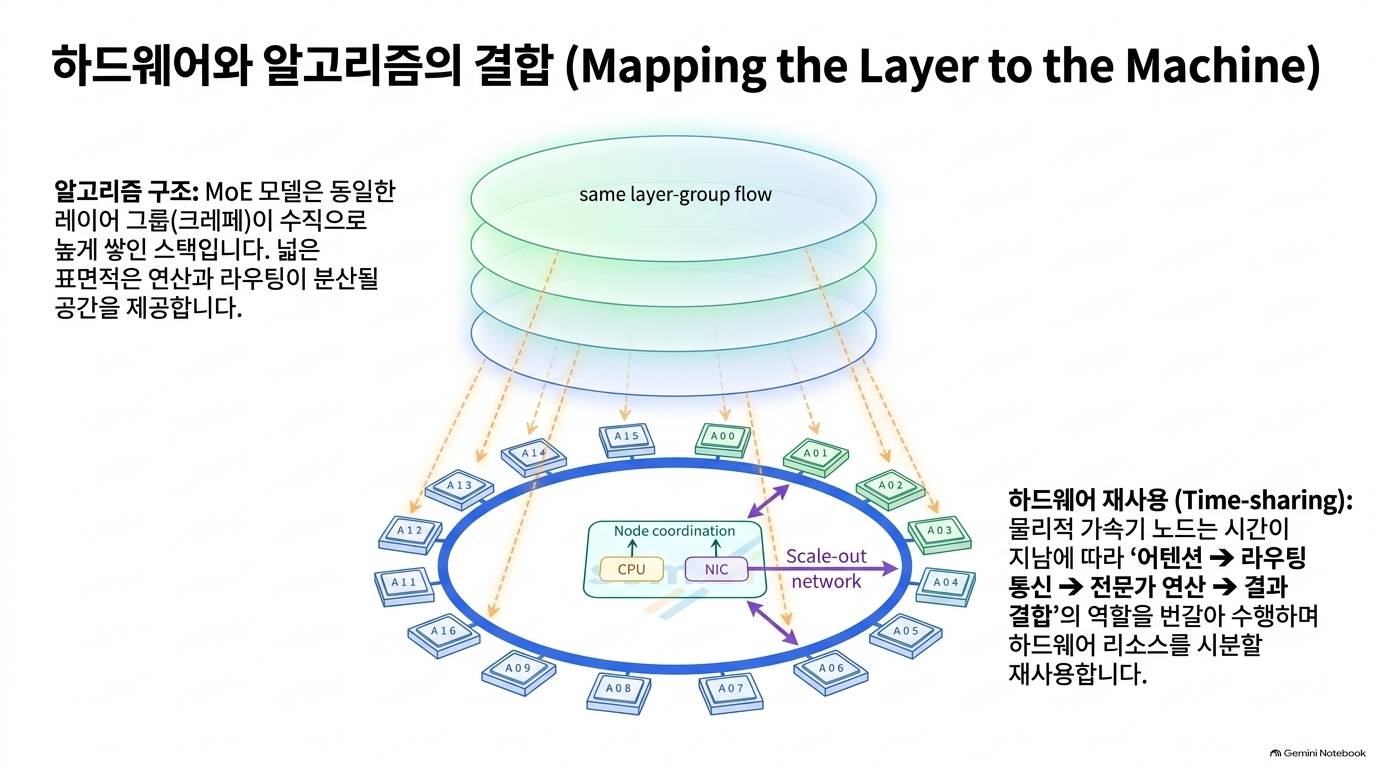
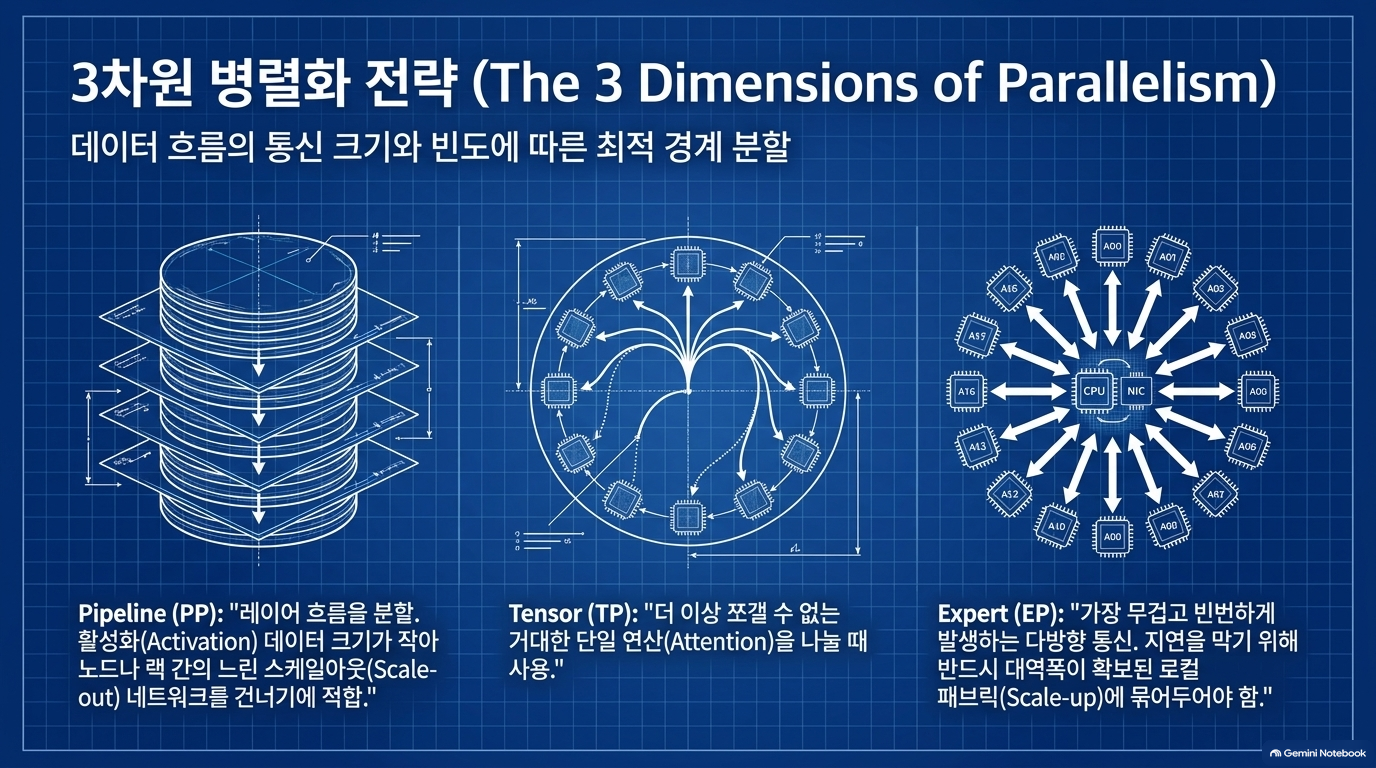
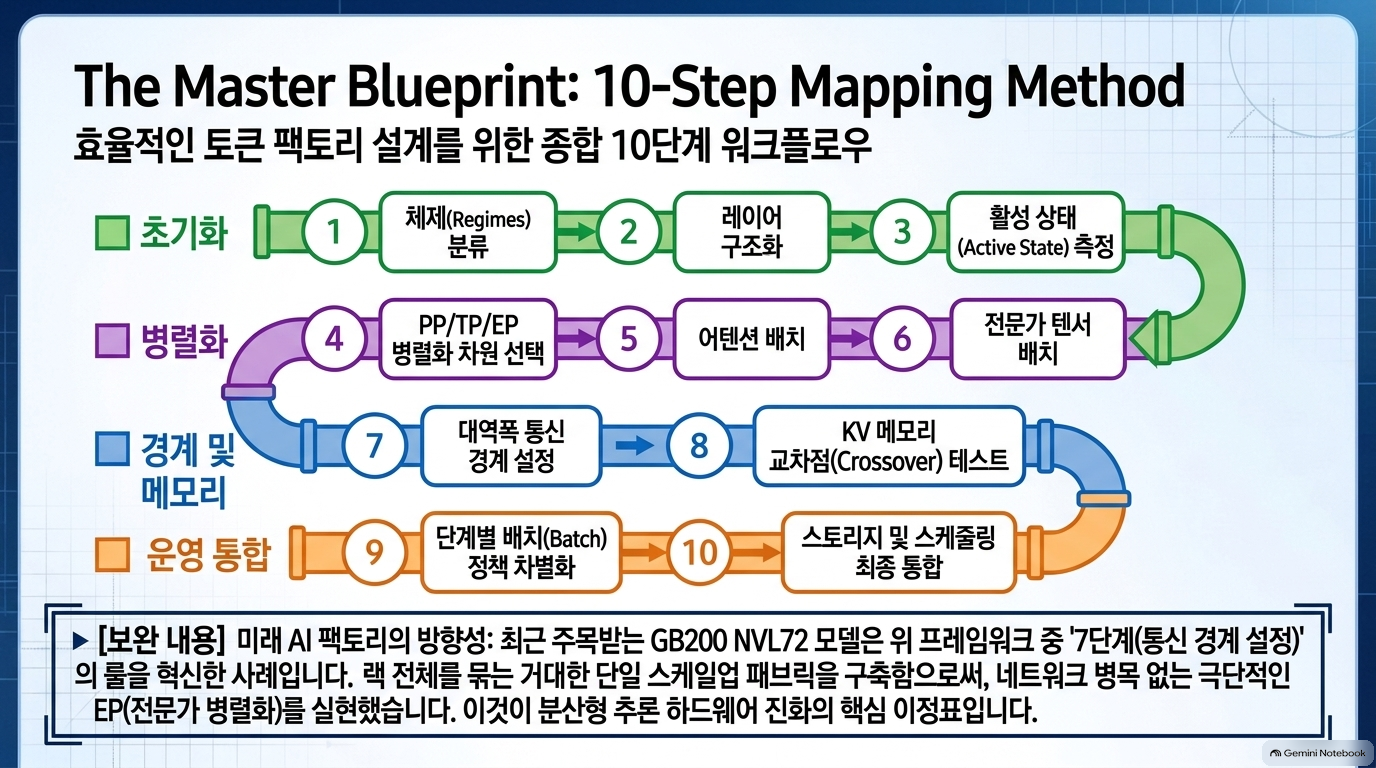
이 문서는 혼합 전문가(MoE) 모델의 효율적인 추론을 위해 하드웨어 구조와 데이터 이동을 어떻게 최적화해야 하는지 심도 있게 다룹니다. 저자는 추론 과정을 프리필(Prefill), 미드필(Midfill), 디코드(Decode)라는 세 가지 독특한 운영 체제로 구분하며, 각 단계가 요구하는 계산 집약도와 메모리 대역폭의 차이를 강조합니다. 특히 KV 캐시를 불변의 데이터 블록으로 취급하여 저장 장치와 연산 노드 사이를 유연하게 이동시키는 분산형 추론 서비스 구조를 핵심 해결책으로 제시합니다. 결론적으로 이 글은 모델의 계층 구조를 하드웨어의 파이프라인, 텐서, 전문가 병렬화에 정교하게 매핑함으로써, 거대 모델의 복잡한 데이터 흐름을 최적의 처리량으로 연결하는 토큰 팩토리의 설계 원리를 설명하고 있습니다.
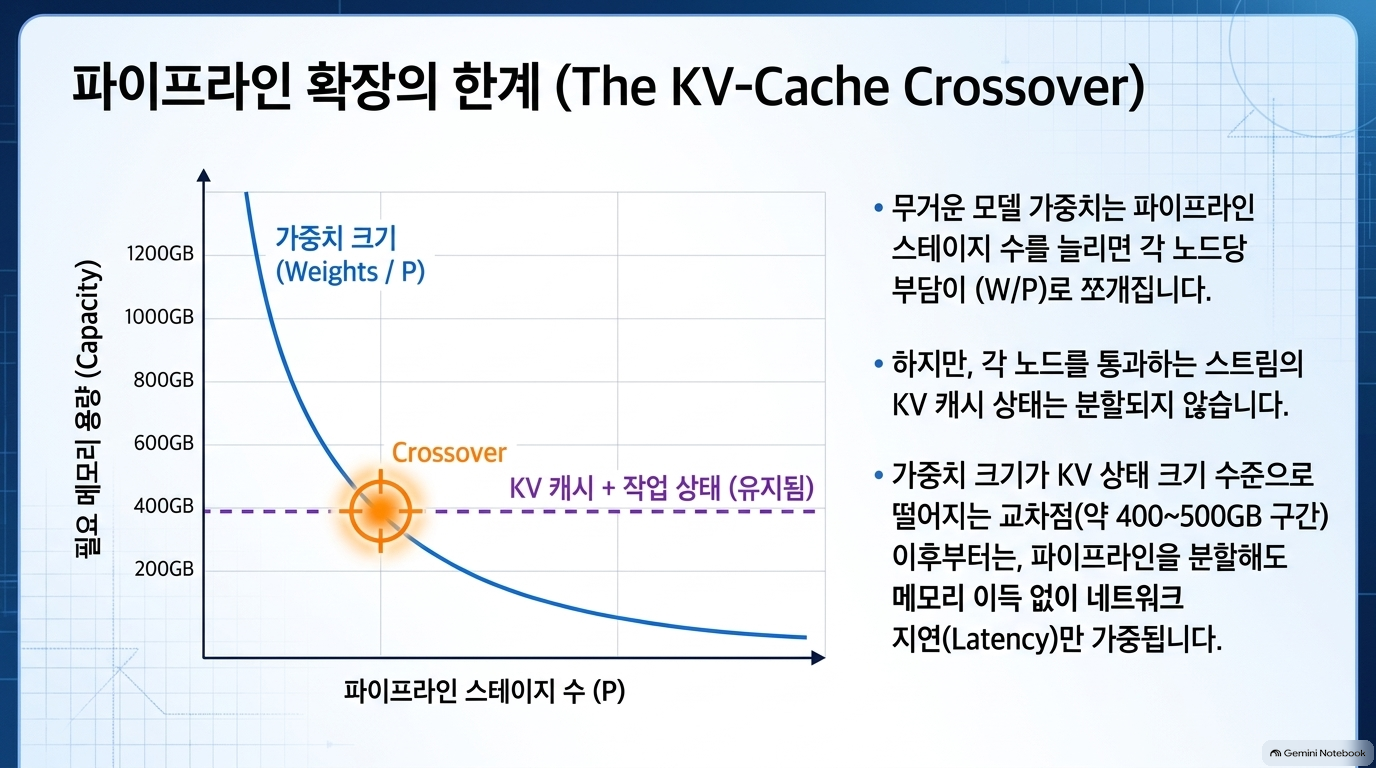
MoE 추론 인프라의 병목은 총 파라미터 수가 아니라, 단계별 활성 데이터—특히 KV cache·전문가 가중치·라우팅 activation—를 언제 어디로 얼마나 빠르게 이동시키는가
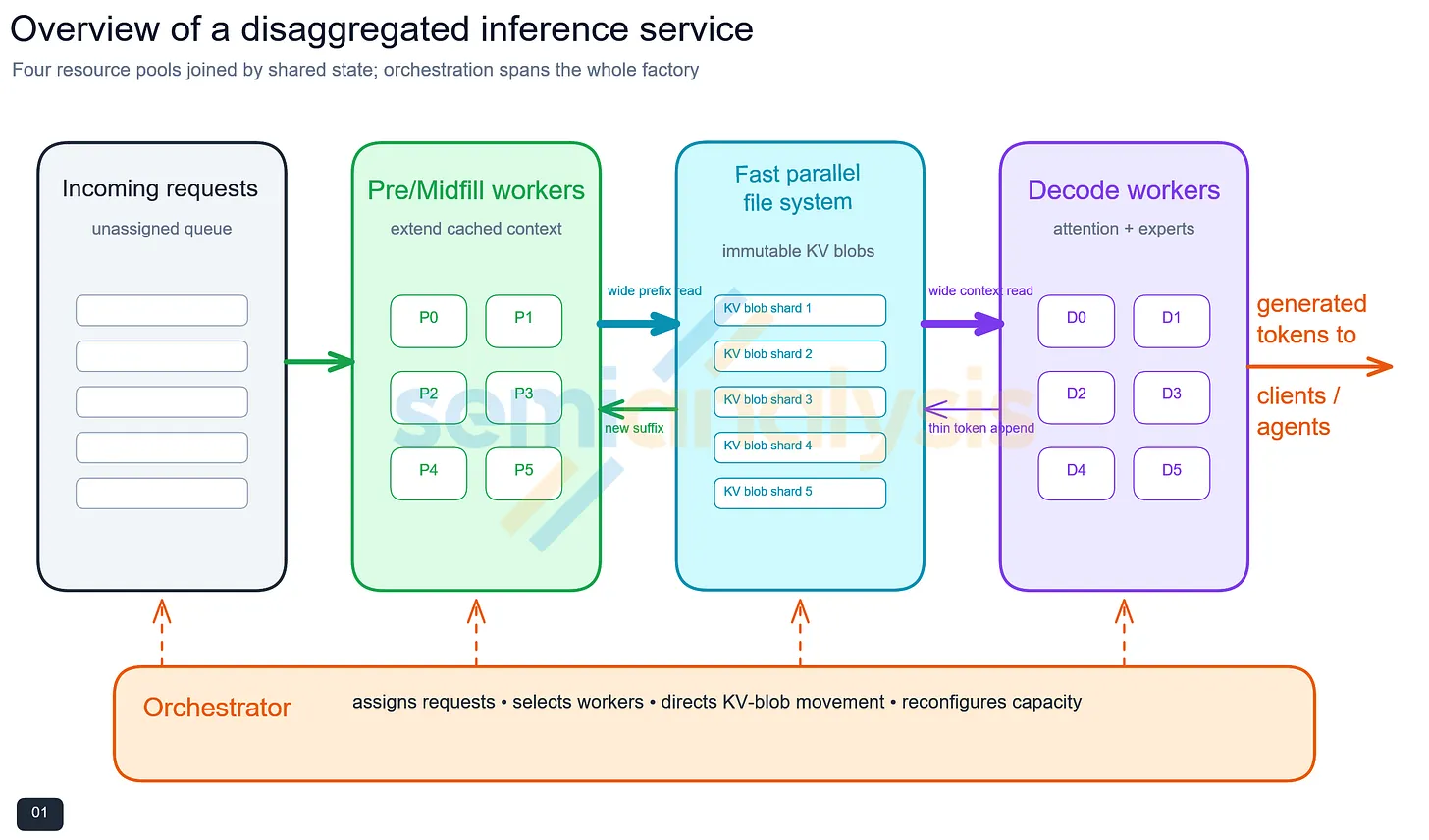

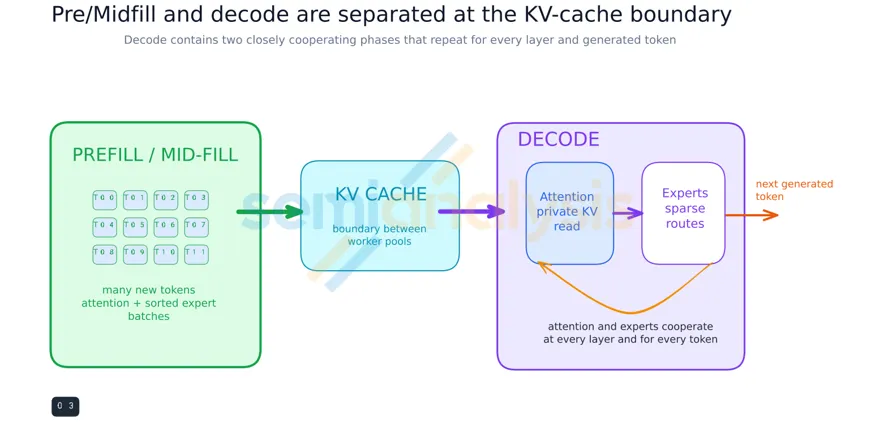
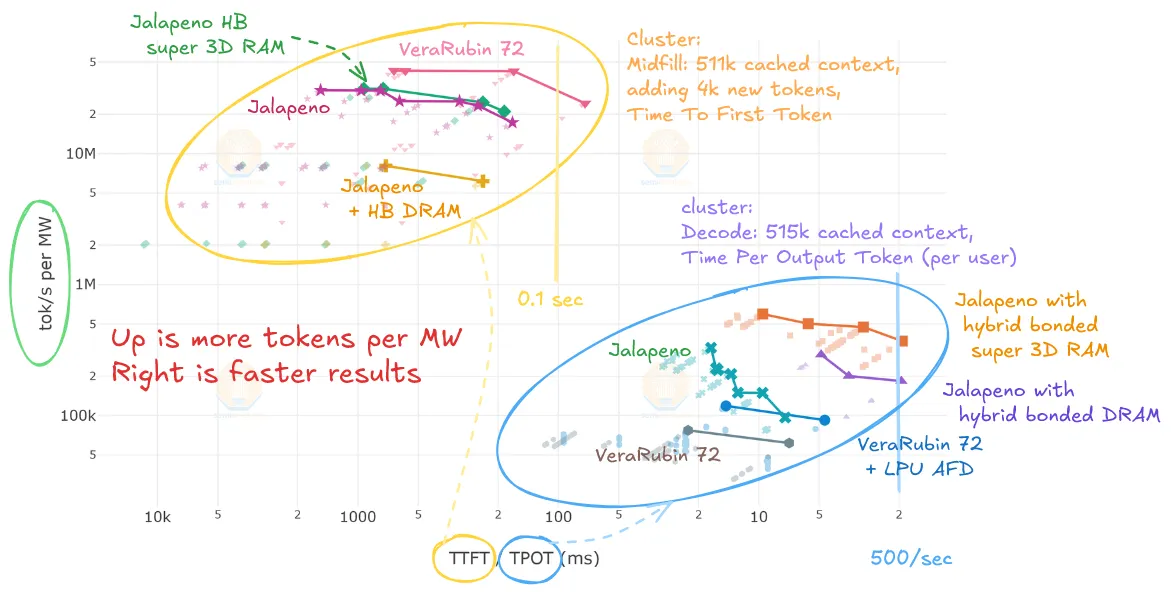
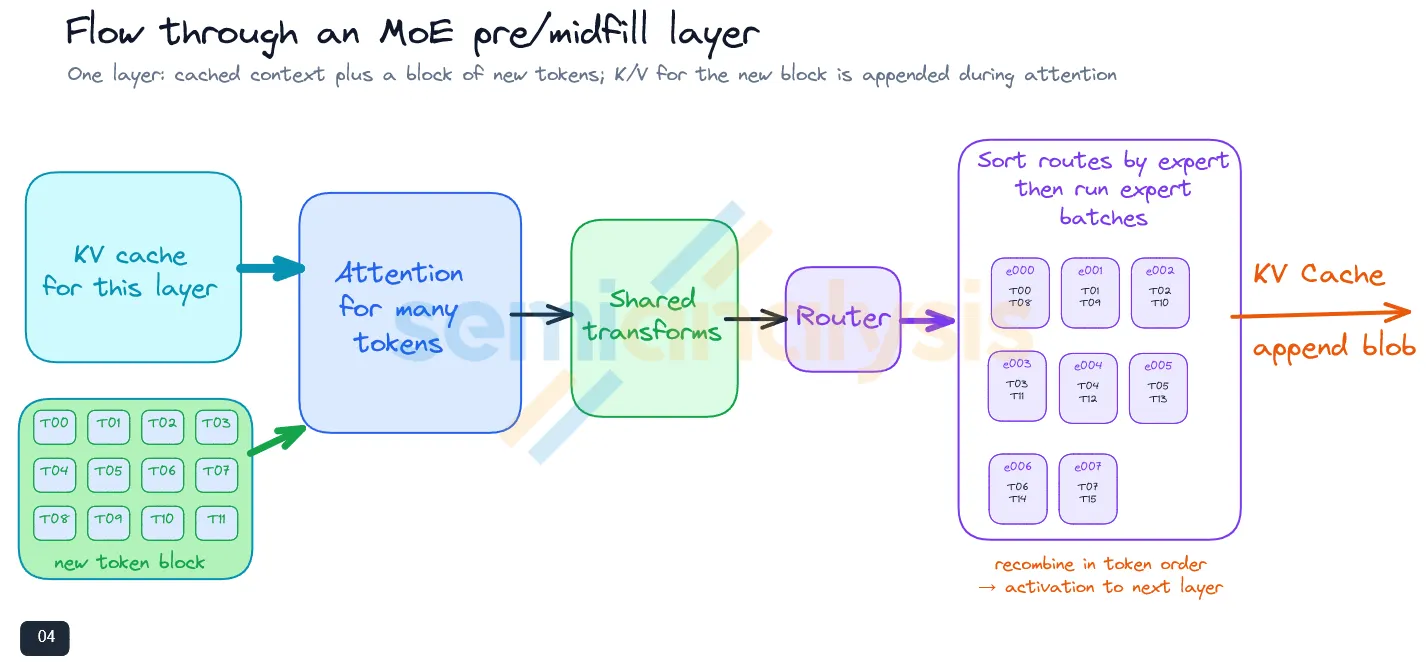
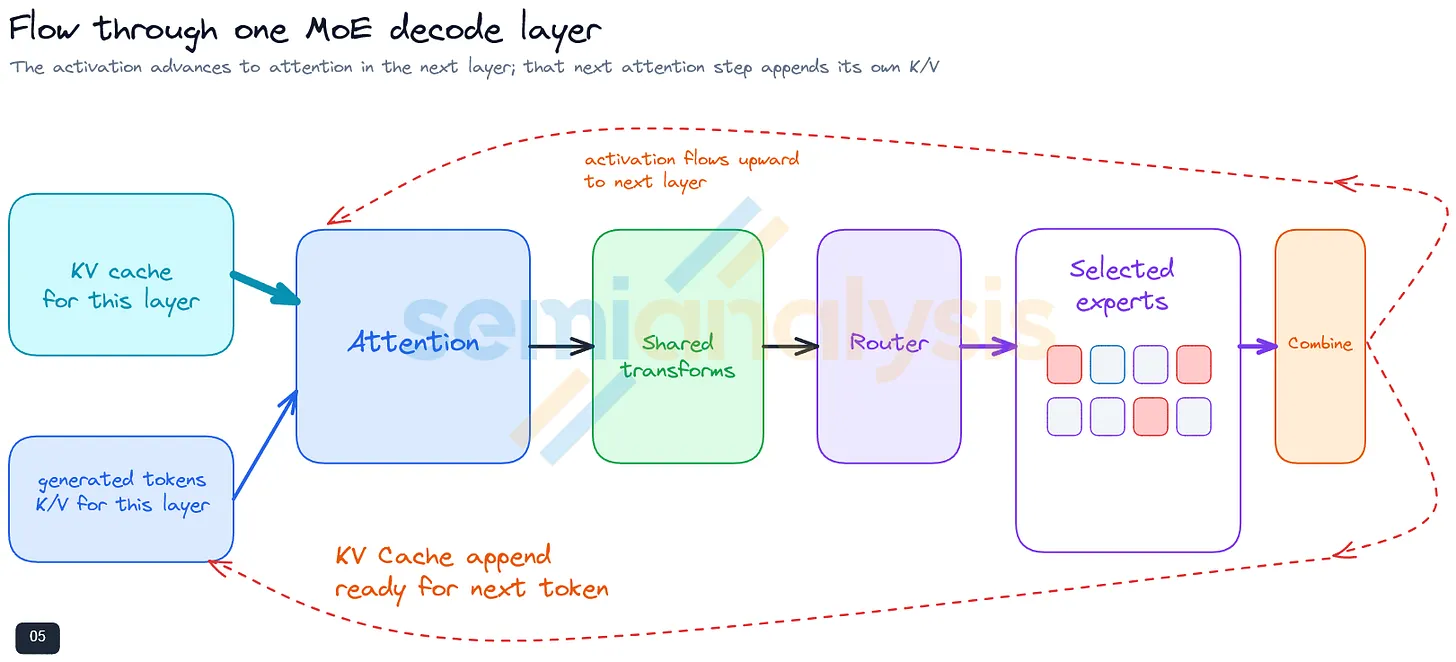
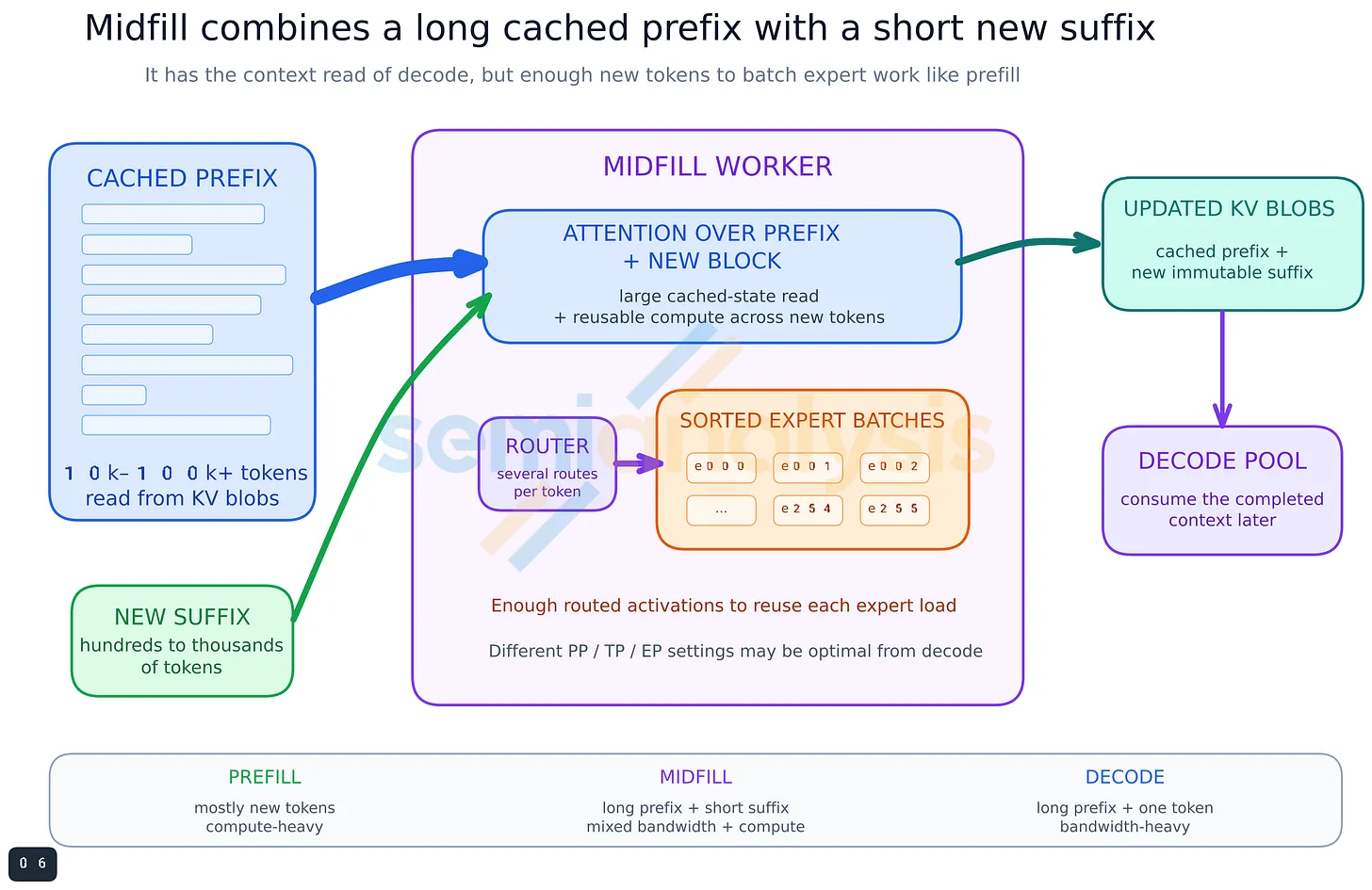
실무 적용 관점
AI 서비스/플랫폼 관점에서 보면, 인프라 검토 기준은 GPU 수나 모델 파라미터만으로는 부족합니다.
1)워크로드 분류: Prefill/Midfill/Decode를 분리 계측하는가
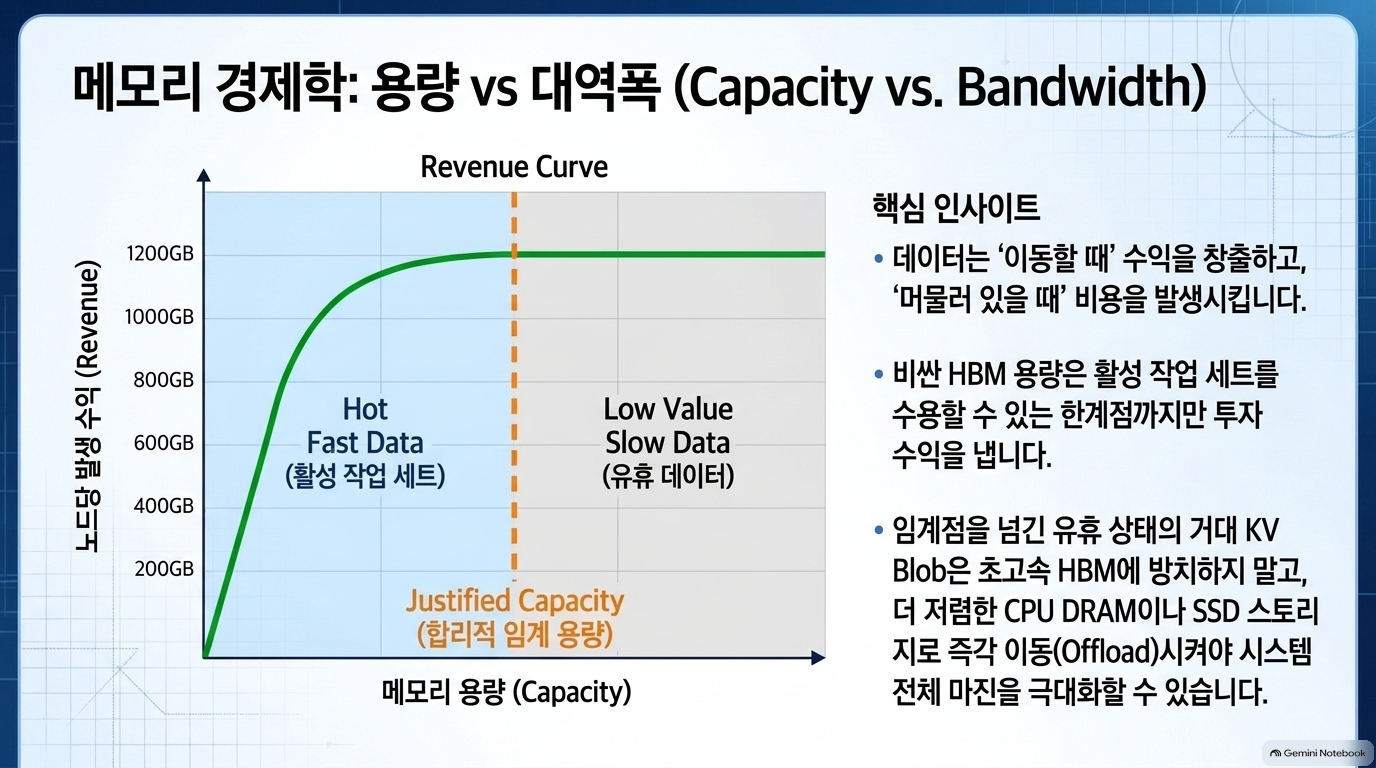
2)KV 관리: KV cache lifecycle, eviction, 재구성, storage tiering 정책이 있는가
3)네트워크 설계: expert routing이 scale-up domain 내부에 머무르는가
4)스케줄링: context length·SLO·worker 상태를 반영한 cache-aware routing이 있는가
5)성능 KPI: 단순 GPU utilization이 아니라 TTFT, TPOT, tokens/s/GPU, KV transfer latency, cache hit ratio, queue oscillation을 함께 관리하는가
5)용량 계획: HBM 증설보다 memory bandwidth, shared DRAM/SSD bandwidth, RDMA 및 orchestration 병목을 함께 평가하는가


'07.AI > 10. AI 반도체' 카테고리의 다른 글
| AI 반도체 - HBM을 넘어선 3D-DRAM: AI 추론 가속기의 메모리 병목을 풀 수 있을까? (0) | 2026.09.23 |
|---|---|
| AI 반도체 - TrendForce, eSSD 수요가 낸드(NAND) 공급을 재편하다 (0) | 2026.09.22 |
| AI 반도체 - Semianalysis, DRAM/SSD Offloading 을 위한 Engram 아키텍처 (0) | 2026.09.21 |
| AI 반도체 - Semianalysis, AgentX: Vera Rubin NVL72 평가 (0) | 2026.09.18 |
| AI 반도체 - 메모리 - Semianalysis, 차세대 AI 추론용 4단 HBM (0) | 2026.09.15 |